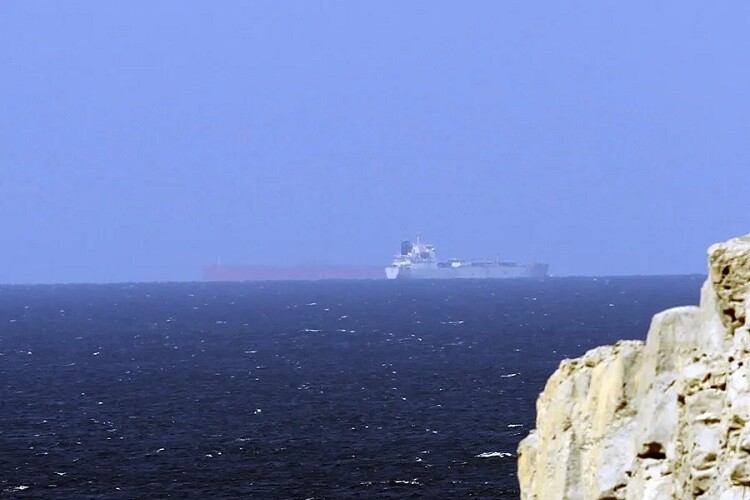
India, the world's second-largest importer of liquefied petroleum gas (LPG), is facing an unprecedented national energy crisis these days due to the effective blockade of the Strait of Hormuz by the conflict in the Middle East. According to India's Ministry of Petroleum and Natural Gas (MoPNG), the interruption of this vital maritime route threatens the fuel supply for kitchens in over 333 million households, forcing the government to activate rationing and wartime economy measures.
Hormuz: India's Umbilical Cord India's vulnerability is structural. According to data from the Petroleum Planning and Analysis Cell (PPAC), the country imports approximately 60% of its LPG needs, and of that volume, 90% must pass through the Strait of Hormuz. Unlike China, which ranks first as a global importer and uses the gas mainly for its petrochemical industry, in India, its use is predominantly residential and is the axis of domestic food security, which makes any cut a source of social instability.
"Wartime Economy" Measures The Indian government has invoked the Essential Commodities Act to redirect industrial resources towards basic consumption. According to Oil Minister Hardeep Singh Puri, national refineries have been ordered to stop producing plastics and increase LPG production for domestic use. This technical maneuver, according to the Ministry of Petroleum and Natural Gas (MoPNG), has allowed domestic LPG production to increase by 30% to compensate for the drop in maritime arrivals. Additionally, a minimum interval of 25 days has been set to reserve new cylinders in urban areas and 45 days in rural areas to curb hoarding. According to the ministry's secretariat, panic reserves have pushed daily requests from 5.5 million to 7.6 million, causing market distortions.
Hospitality: A Helpless Sector Hospitality is the main victim of state prioritization. According to the National Restaurant Association of India (NRAI), the lack of supply is "catastrophic," and the sector is losing between 1,200 and 1,300 million rupees daily (11 to 12 million euros). In cities like Mumbai, hotel associations warn that 20% of establishments have already closed, while the Ministry of Environment has exceptionally authorized the use of firewood and coal in commercial kitchens to prevent a total collapse of the hospitality sector.
Taxis and Tuk-Tuks in the Crosshairs Although the Auto LPG segment represents only 0.2% of national consumption, India has a network of 440 service stations that supply millions of vehicles, mainly taxis and auto-rickshaw fleets, known as tuk-tuks. In the coastal city of Chennai, nearly a quarter of the auto-rickshaw fleet has been out of service due to fuel shortages, while drivers who are still operating must face entire nights waiting at the few operational stations to refuel.
A New Black Market Social anxiety has driven panic reserves from 5.5 to 7.6 million cylinders daily, fueling a black market where prices far exceed the official rate. To tackle this new submerged trafficking, the Indian government has expanded the Delivery Authentication Code (DAC) to 90% of operations and intensified police raids in states like Maharashtra, where massive seizures of illegally stored cylinders have already been carried out.
The Government Calls for Restraint Despite the severity of the situation, Minister Puri assured Parliament that domestic supply is "fully protected" and that the 2.5-day delivery time remains stable. Authorities urge the population to avoid frantic buying, while the country seeks to accelerate the shift of 6 million households to piped natural gas (PNG) to alleviate pressure on the cylinder system.